
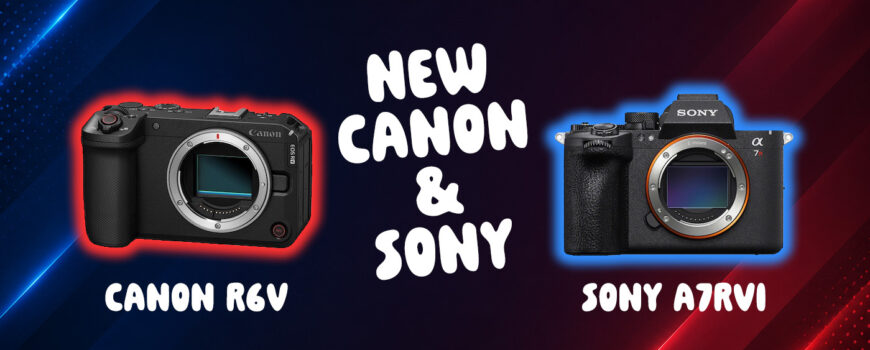
New Sony and Canon Cameras in 2026
Two highly anticipated announcements this year have come from Sony and Canon on the same day! Both brands have expanded their full-frame camera lineups with powerful new models designed for photographers, videographers, and hybrid creators who demand professional-level performance.
Sony recently introduced the new A7R VI, the latest evolution in its ultra-high-resolution Alpha lineup. Canon answered with the EOS R6 V, a video-focused full-frame camera built for the growing creator and filmmaking market. While both cameras target different users, they each represent a major step forward from previous generations and continue the trend of cameras becoming increasingly capable hybrid production tools.
If you are planning to invest in one of these new camera systems, choosing the right SD card is just as important as selecting the camera body itself. High-resolution RAW images, 4K and 8K video recording, fast burst shooting, and professional codecs all place heavy demands on storage performance. Slow or unreliable memory cards can quickly become a bottleneck.
New Sony a7Rvi Announced May 13, 2026
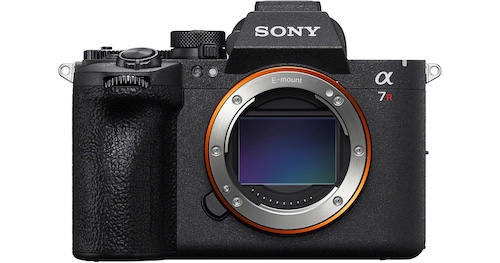
Sony’s A7R series has long been known as the company’s flagship high-resolution photography platform. The original A7R models helped establish Sony as a serious competitor in the professional camera world, especially for landscape photographers, commercial shooters, and studio professionals who demanded maximum image detail.
The previous generation, the Sony A7R V, already offered an impressive 61-megapixel sensor, advanced autofocus, and strong hybrid video capabilities. It became extremely popular among photographers who needed flexibility for large prints, heavy cropping, and commercial work.
Now Sony has pushed the platform even further with the new A7R VI.
The newly announced camera introduces a 66.8MP fully stacked full-frame sensor combined with Sony’s updated BIONZ XR2 processor. According to launch coverage, the A7R VI can shoot up to 30 frames per second while also offering improved autofocus tracking, enhanced AI subject recognition, upgraded stabilization, and significantly faster sensor readout speeds.
One of the biggest improvements over the previous generation is speed. Earlier A7R cameras focused heavily on image resolution but were not always ideal for fast-moving subjects. The new stacked sensor design dramatically improves responsiveness and opens the door for sports, wildlife, and action photography users who previously may have looked elsewhere in Sony’s lineup.
Sony also heavily upgraded the camera’s video capabilities. The A7R VI now supports 8K recording and advanced 4K recording modes while improving low-light video performance and autofocus intelligence.
For photographers upgrading from the A7R IV or A7R V, the improvements are especially noticeable in autofocus, burst shooting speed, stabilization, and video flexibility. Community discussions online have already highlighted how much Sony’s autofocus systems have evolved compared to earlier generations.
Best SD Cards for the Sony A7R VI
With a 66.8MP sensor and advanced video recording modes, the A7R VI creates enormous file sizes. Shooting compressed RAW, uncompressed RAW, or high-bitrate video requires fast storage media capable of sustaining consistent write speeds.
Photographers using this camera should strongly consider high-performance UHS-II SD cards. Slower cards may struggle during extended burst shooting or advanced video recording modes.
If you’re buying the A7RVI you are going to want a UHS-II memory card.
Professional photographers shooting weddings, sports, wildlife, or commercial content should prioritize V90-rated cards for maximum sustained performance. Casual shooters or photographers focusing primarily on still images may still achieve excellent results with premium V60 cards.
Storage capacity is also increasingly important. A single day of shooting with a high-resolution camera like the A7R VI can easily consume hundreds of gigabytes, especially when capturing RAW bursts or high-end video formats.
Many professionals now prefer 128GB, 256GB, or even 512GB SD cards for modern hybrid workflows.
Canon EOS R6 V: Canon Expands Its Video-First Lineup
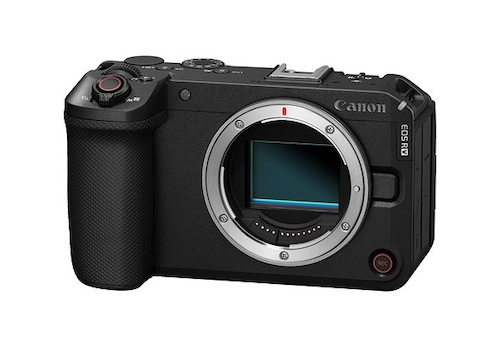
Canon has taken a very different approach with the EOS R6 V.
Rather than focusing purely on photography resolution, Canon designed the R6 V specifically for creators, filmmakers, vloggers, and hybrid shooters who prioritize professional video tools. The camera continues Canon’s recent expansion into creator-focused “V” series cameras.
The EOS R6 V builds upon the success of the EOS R6 Mark II platform, which became one of Canon’s most popular full-frame hybrid cameras due to its excellent autofocus system, fast burst shooting, strong low-light performance, and versatile video features.
The new R6 V takes many of those strengths and pushes them further into professional video production territory.
Canon removed the traditional electronic viewfinder and mechanical shutter to create a more compact, video-centric body. The camera also introduces active cooling, internal RAW recording, advanced monitoring tools, and multiple high-end video formats.
The EOS R6 V features a 32.5MP full-frame sensor capable of recording 7K RAW video along with oversampled 4K recording and high-frame-rate modes. Canon also added creator-focused tools like waveform monitoring, tally lamps, vertical shooting support, and full-size HDMI connectivity.
This marks a major shift compared to the earlier EOS R6 generations, which balanced photography and video more evenly. The R6 V clearly targets the growing market of creators who need professional cinema-style features inside a smaller mirrorless camera body.
For content creators upgrading from the original EOS R6 or even the EOS R6 Mark II, the improvements in cooling, recording formats, and professional video functionality are substantial.
Online camera communities continue to praise Canon’s autofocus reliability and video usability in the R6 family, especially for wedding work, events, and hybrid production environments.
Best SD Cards for the Canon EOS R6 V
The Canon EOS R6 V is heavily optimized for video production, which means SD card performance becomes even more important.
High-bitrate codecs, 4K120 recording, RAW video, and extended recording sessions require SD cards with very strong sustained write speeds and excellent thermal reliability.
For the best experience, creators should focus on premium UHS-II V60 or V90 SD cards from trusted brands.
Because video workflows often consume storage rapidly, many creators will benefit from purchasing multiple matching cards rather than relying on a single high-capacity card. This improves organization, backup workflows, and recording reliability during production shoots.
Videographers shooting long-form projects may also prefer 512GB or 1TB cards to reduce card swaps during filming. We even offer a 2TB option for some UHS-I models.
Why Buying SD Cards from a Specialized Retailer Matters
When photographers purchase a premium camera body, they often spend weeks researching lenses, accessories, and shooting setups. Surprisingly, memory cards are sometimes treated as an afterthought despite being one of the most important parts of the workflow.
Buying from a trusted memory card specialist can help photographers avoid counterfeit cards, unreliable performance, misleading specifications, and compatibility problems.
That is especially important with modern mirrorless cameras like the Sony A7R VI and Canon EOS R6 V, which place much heavier demands on storage media than older DSLR systems.
At BulkMemoryCards.com, photographers and businesses can find professional-grade SD cards from trusted manufacturers at highly competitive pricing. Unlike many large marketplaces, specialized retailers focus specifically on authentic memory products and can help buyers select cards matched to their camera’s actual performance requirements.
For photographers purchasing multiple cards for weddings, production work, studio use, or business environments, buying from a dedicated memory card supplier can also provide significant savings compared to retail marketplace pricing.
Final Thoughts
Both Sony and Canon made major moves in 2026 with the launch of the A7R VI and EOS R6 V.
Sony continues to dominate the ultra-high-resolution mirrorless category by combining massive resolution with dramatically improved speed and autofocus technology. The A7R VI looks positioned to become a favorite among commercial photographers, landscape shooters, and hybrid creators who want maximum image quality without sacrificing performance.
Canon, meanwhile, is clearly leaning into the creator economy with the EOS R6 V. By building a video-first full-frame camera with professional production tools and compact portability, Canon is targeting filmmakers, content creators, streamers, and hybrid shooters who prioritize video workflows.
No matter which camera system you choose, pairing these advanced cameras with high-quality SD cards is essential for unlocking their full potential. Investing in fast, reliable UHS-II memory cards will help ensure smoother workflows, faster buffer clearing, reliable video recording, and better long-term shooting performance.
For photographers and creators looking for authentic SD cards at competitive pricing, BulkMemoryCards.com remains one of the best places to purchase professional-grade memory cards for today’s newest Sony and Canon cameras.