
The Bulk Buyer’s Guide
How to Buy Memory Cards in Bulk for a School, Lab, or Department
Three things quietly go wrong when an institution reorders storage in volume: the wrong spec, counterfeit cards, and a purchasing process that fights you. Here is how to get all three right, without gambling on a marketplace stranger.
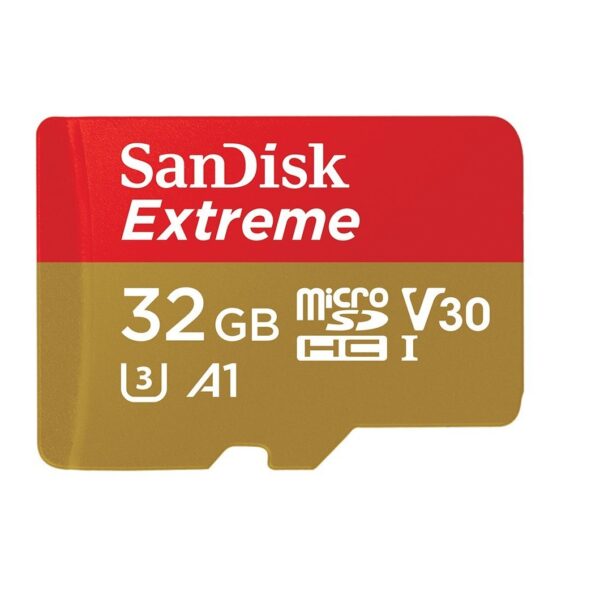
Genuine SanDisk Extreme, shipped direct
You already know the card you want. Your lab, department, library, or campus IT team has reordered the same SanDisk or Samsung cards a dozen times. The brand is settled. The routine works.
So why write a whole guide about it? Because buying in volume, the way an institution has to, puts three quiet risks in play that a one-off shopper never notices. Each one surfaces weeks after the purchase, long after the invoice cleared: a card that dies in the field, a batch that turns out to be fake, or a procurement process that turns a simple reorder into a paperwork fight.
Right brand, wrong card
A standard card in a security camera or dashcam can fail within a year. The label looked identical. The endurance rating did not.
Real capacity, or a lie?
Counterfeits copy the exact brand design and report a false size. You find out when the data you wrote past the real capacity is simply gone.
Buying the way you must
POs, Net-30, tax-exempt status. The marketplace does not really speak that language, so every reorder becomes a workaround.
This guide fixes all three, in order. Spec the card to the job so it survives. Verify it is genuine so the capacity is real. Set up purchasing once so the reorder is boring, on terms, and yours to control. Let’s start where the money leaks first.
Why this matters
A few numbers worth knowing before you reorder
Step 01 · Spec it right
Match the card to the job, not just the brand and the size
Two microSD cards can look identical, carry the same logo, and cost a few dollars apart, yet one will outlive the other by years. The difference is printed in the small symbols: the endurance grade and the speed classes. Buy on brand and capacity alone and you are gambling on the part that actually decides whether the card survives your use.


What should you actually order?
Pick the way your organization uses cards. We will show the card type, the exact ratings to require, and a genuine product to match.
High / Max Endurance microSD
security & surveillance cameras
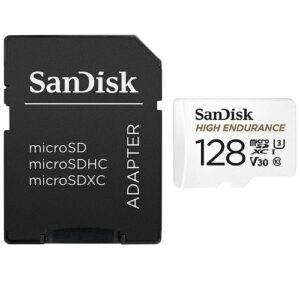
Cameras record around the clock, so total write endurance, not raw speed, keeps a card alive. A standard card can fail within a year here; endurance-grade is built for continuous writes.
See security-camera cardsHigh / Max Endurance microSD
dashcams & fleet vehicles
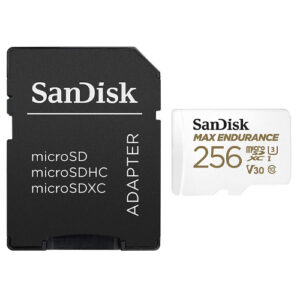
Loop recording overwrites constantly and runs hot in a windshield. Endurance-grade handles the write cycles and temperature swings a standard card will not survive.
Read the dashcam memory guideGenuine U3 / V30 SD or microSD
campus AV, classroom photo & video
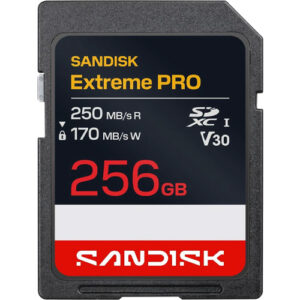
4K capture needs a guaranteed sustained write speed. Require U3 and V30, and make sure it is genuine so the capacity you record onto is really there.
Browse SD cardsHigh-speed U3 microSD (Extreme-grade)
drones & field imaging
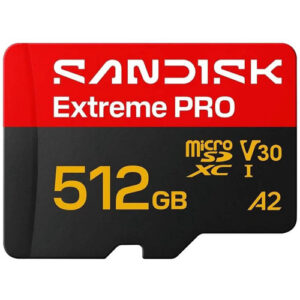
High-bitrate aerial and field capture pushes speed hard. Spec U3 with V30 or better and buy genuine, because field data is often irreplaceable and phantom capacity is the worst-case failure.
Browse microSD by specA2 / Industrial-grade microSD
Raspberry Pi, embedded & lab boards
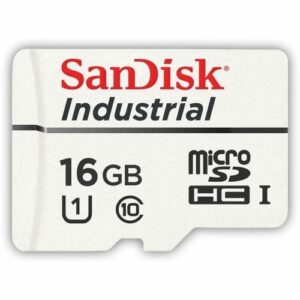
Running an OS off a card depends on random read/write, not sequential, which is the A rating. For always-on boards, an industrial or endurance grade adds write longevity.
See Raspberry Pi cardsUSB flash drives (plus preloading)
data transfer, IT & promo
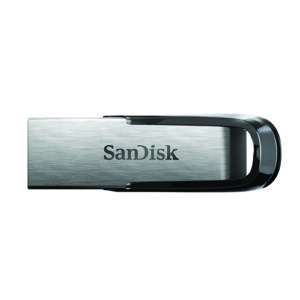
For moving and handing off data, a genuine USB 3.x flash drive beats a card plus reader. Add preloading and custom branding to ship them ready to use.
Browse USB flash drivesA starting point, not a spec sheet. For an exact model against a device list, send us the deployment and we will match it.
The one spec most bulk buyers miss: endurance
Consumer cards are built for occasional writes: a few photos, a video now and then. Drop one into a device that writes continuously, around the clock, like a security camera, a dashcam, a bodycam, or a data logger, and it burns through its write cycles fast. A standard microSD in a dashcam has a real chance of failing within a year. In a wall-mounted camera, that means a ladder trip and a gap in your footage at the worst possible moment.
The fix is not a better brand. It is the right grade. High Endurance and Max Endurance cards use memory built for sustained recording and are rated for far more total writes. For anything that records around the clock, spec endurance and stop replacing cards every season. (Our security-camera card guide and dashcam memory guide go deeper by device.)
Decode the symbols on the card
Those little numbers and letters are not decoration. They are the spec. Here is what to require, and what to ignore.
| Marking | What it means | What to require |
|---|---|---|
| Endurance | How many total writes the card is built to survive | High/Max Endurance for any 24/7 recording; standard is fine for occasional use |
| C10 / U1 / U3 | Minimum sustained write speed (10 / 10 / 30 MB/s) | U3 for 4K capture; U1 or C10 is plenty for HD and general use |
| V6 to V90 | Video Speed Class, the guaranteed speed for video recording | V30 for 4K; V60 or V90 for high-bitrate or multicam production |
| A1 / A2 | App Performance, the random read/write for running apps | A1 minimum, A2 preferred for Raspberry Pi, Switch and embedded boot media |
| UHS-I / UHS-II | The bus interface (the row of pins) that sets the ceiling speed | UHS-I covers most needs; UHS-II only if your device or reader supports it |
The bulk-buyer takeaway: standardize on one correctly-spec’d card per use across your whole fleet. One endurance card for the cameras, one U3/V30 card for the video kits, one A2 card for the lab boards, bought in volume and reordered without re-deciding. Browse microSD by spec or SD cards to see the grades side by side.
Step 02 · Verify it’s genuine
The card says 512GB. Is 512GB really in there?
Counterfeiting memory cards is a mature industry. Fakes copy the exact red-and-gray SanDisk design language, the fonts, and the packaging. The most dangerous ones do not fail visibly at all. They pass a quick look, mount at the advertised size, and work fine at first. The fraud only shows up once you write past the real, much smaller capacity.


The card’s firmware is programmed to report the advertised size to your device. So your camera, your computer, and your card copier all believe it is a 512GB card. You fill it. Everything looks fine, right up until the data written into the phantom zone turns out to be corrupt or gone. For a family holiday that is a heartbreak. For a research dataset, a semester of student footage, or a bodycam archive, it is a genuine problem.
The trap is not that fakes fail. It is that they succeed just long enough for you to trust them with something that matters.
Why the marketplace listing was never a guarantee
Here is the part that surprises careful buyers: the usual trust signals do not protect you. For years, marketplace inventory from different sellers could be pooled together, so even a listing marked genuine, even one that shipped fast under a trusted badge, could hand you a counterfeit from the same commingled bin. The brand on the box and the badge on the listing never certified what was physically inside. That is not a knock on any one platform. It is the structural reality of buying a high-value, easy-to-fake commodity through a channel with thousands of interchangeable sellers.
How to check a card you already have
If you want to audit a batch, there are three reliable methods, and we walk through them in detail in our counterfeit microSD identification guide:
- By sight. Compare against a known-genuine card. Watch for off-shade reds, wrong kerning, and low-resolution printing that runs to the edge. On a 1TB SanDisk Extreme Pro specifically, the genuine card has a NAND bump on the back; most other genuine cards are flat, so do not read a flat back alone as fake.
- By writing it full. Copy a large volume of files onto the card until it is near capacity, then reopen them. A fake errors out, or the files past the real capacity come back corrupt.
- With software. Free tools like H2testw or F3 scan every sector and report the true usable capacity and speed. This is the definitive test.
The real fix: take the guessing channel out of the loop
Testing every card in every batch is not realistic when you buy in the thousands. The durable fix, the one every independent expert lands on, is to stop sourcing from open marketplaces of third-party sellers and buy from a specialist that sources manufacturer-direct and bars resellers. When there is no interchangeable-seller channel between the factory and your loading dock, “is it real?” stops being a question you have to re-ask on every order.
That is the reason EBS exists: genuine SanDisk, Samsung, Kingston, and PNY, sourced direct, shipped from our own warehouse in Lancaster, PA, and backed by a one-year replacement warranty. Twenty-plus years, family-owned, with real people you can call.
Step 03 · Buy it clean
Set up purchasing so the reorder is boring
You have specced the card and confirmed it is genuine. The last risk has nothing to do with the card and everything to do with how your organization has to buy. Institutions do not purchase like individuals, and a good supplier is built for that instead of fighting it.
Net-30 & invoicing on terms
Qualified institutions can buy on invoice and pay on terms, the way a purchasing office actually operates, not card-on-file at checkout.
Purchase orders welcome
Send a PO and get set up. There is no procurement-system integration to stand up first. The paperwork your finance office needs, handled.
Tax-exempt, set once
Put your exemption on file and have it applied to every reorder. No re-uploading a certificate on each purchase.
Real people, one account
One supplier to reorder from, and an actual human to reach when an order matters, not a queue and not a rotating third-party seller.
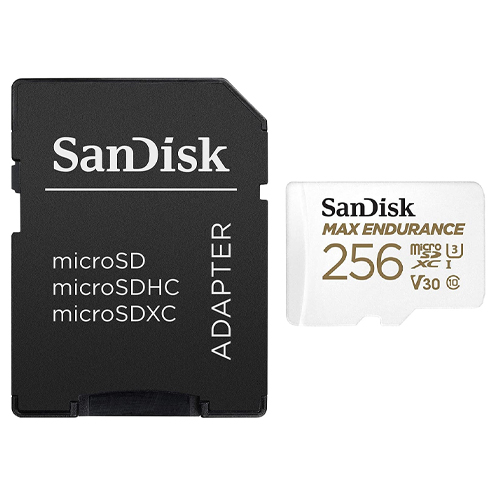
Because bulk buyers often need more than the raw card, EBS also handles the value-added work a department otherwise does by hand: duplication and preloading, which ships cards already imaged with your curriculum, dataset, or firmware, plus custom branding and private labeling. For a classroom set, a research rollout, or a fleet of identical devices, that takes hours off your team’s plate.
Keep everything you like about how you already buy: genuine product, easy reorders, and a warranty behind it. Just without the marketplace in the middle.
The comparison that matters
Reordering on a marketplace vs. buying direct from a specialist
Same brand on the box. A very different transaction underneath.
- Thousands of interchangeable third-party sellers behind one listing
- Authenticity never certified by the badge or the brand name
- Spec buried in the listing, so it is easy to reorder the wrong grade
- Card-on-file checkout, with POs and terms an afterthought
- Support is a queue, and no one owns your account
- No duplication, preloading, or branding help
- Manufacturer-direct sourcing, with no reseller channel in between
- Genuine product, backed by a one-year replacement warranty
- Cards organized by spec, with humans to confirm the right grade
- PO, Net-30, and tax-exempt handling built in for institutions
- Real people you can call, and one account you control
- Duplication, preloading and custom branding on request
Price, notably, is not on this list, and that is deliberate. A direct specialist should be competitive, and EBS is, but price is not the reason to switch. The reason is that everything around the price gets more reliable: what is actually in the card, whether it fits the job, and how painlessly your organization can keep buying it.
Keep this handy
The bulk memory buyer’s checklist
Run every volume order past these six questions. It is the whole guide, compressed to a pre-flight check.
Before you place a bulk order
6 checks · spec, authenticity & procurement
Is it the right endurance grade for the duty cycle?
High/Max Endurance for anything recording 24/7. Standard only for occasional writes.
Do the speed classes match the capture?
U3 and V30 for 4K; A2 for Pi and embedded boot media. Do not overpay for UHS-II a device cannot use.
Is the source manufacturer-direct, not a pooled marketplace bin?
The single biggest lever against counterfeits. Remove the interchangeable-seller channel entirely.
Is there a warranty and a real human behind the order?
Someone who owns your account and answers the phone when a batch matters.
Does purchasing fit how you have to buy?
PO accepted, Net-30 available, tax-exempt on file, set up once and applied every reorder.
Can they handle prep you would otherwise do by hand?
Duplication, preloading, and branding turn a raw-card order into a deployment-ready one.
Who this is for
Built for the way institutions buy
If you purchase storage for an organization rather than yourself, one of these is probably you.
Schools & universities
Classroom camera sets, campus AV, libraries, and research labs. Tax-exempt, on a PO, reordered every term.
Government & public sector
Agencies and departments buying on contract and PO, where genuine product and a reliable vendor are not optional.
IT & technical operations
Sysadmins imaging devices, provisioning boot media, and standardizing storage across a fleet.
Healthcare & research
Labs and clinics capturing data that cannot be lost, where a fake card’s phantom capacity is a real risk.
Manufacturing & technical
Embedded devices, data loggers, and imaging systems that need the correct industrial grade every time.
Security & surveillance
Installers and facilities teams who would rather spec endurance once than climb the ladder every six months.
FAQ
Frequently asked questions
How do I know a memory card is genuine and not counterfeit?
+
Check it three ways: compare it by sight to a known-genuine card (watch for off-shade colors, wrong fonts, low-resolution printing; on a 1TB SanDisk Extreme Pro specifically, the genuine card has a NAND bump on the back), write it full of files and confirm they reopen intact, and run a free tool like H2testw or F3 to verify the true capacity. The more durable fix is to buy from a source that sources manufacturer-direct and does not resell through pooled marketplace inventory, which removes the counterfeit risk instead of catching it after the fact. Full walkthrough in our counterfeit microSD guide.
What is the difference between a standard and a high-endurance microSD card?
+
Standard cards are built for occasional writes. High-endurance and max-endurance cards use memory designed for continuous recording and are rated for far more total writes. For security cameras, dashcams, bodycams, or any device recording around the clock, use endurance-grade, because a standard card can fail within a year in that duty cycle. See our security-camera and dashcam guides.
Can a school or government agency buy on a purchase order and Net-30 terms?
+
Yes. EBS accepts purchase orders and offers Net-30 invoicing for qualified institutions, with tax-exempt status kept on file so it applies to every reorder. You can get set up by sending a PO, and there is no procurement-system integration to stand up first. Reach out and we will set up your account.
What speed class do I need for 4K video or a Raspberry Pi?
+
For 4K capture, require U3 and V30 (V60 or V90 for high-bitrate or multicam work). For a Raspberry Pi, Nintendo Switch, or other device that runs apps off the card, prioritize the A rating, A1 minimum and A2 preferred, since that governs the random read/write those uses depend on. Use our Spec Finder above to match your use.
Do you offer preloaded or custom-branded cards for bulk orders?
+
Yes. EBS offers duplication and preloading, with cards shipped already imaged with your content, curriculum, dataset, or firmware, plus custom branding and private labeling. For classroom sets, research rollouts, or device fleets, it ships deployment-ready instead of blank.
Why buy direct instead of just reordering on a marketplace?
+
Same brand, very different transaction. Buying direct removes the interchangeable third-party seller channel that makes counterfeits possible, gives you a warranty and a real person on your account, organizes cards by the spec that actually matters, and supports how institutions have to buy (PO, terms, tax-exempt). It is the same genuine product a lot of organizations already reorder, just bought from the warehouse instead of through the middle.
Ready when you are
The same cards you already trust, bought the right way.
Spec it right, confirm it is genuine, and set up purchasing once. Then reordering bulk memory becomes the boring, reliable line item it should be.